Mastering the art of keeping your car interior clean and fresh transforms every daily commute into a pleasant experience instead of a chore. Most drivers struggle to maintain that showroom smell once crumbs, dust, and daily clutter take over the footwells and cupholders.
You don’t need expensive professional detailing to fix this problem permanently. A few smart habits and the right routine will keep your cabin looking and smelling fantastic all year round.
Getting your vehicle truly clean requires tackling the root causes of dirt and odors rather than just masking them with air fresheners. This guide walks you through effective cleaning methods, maintenance schedules, and natural solutions that actually work.
Establishing a Quick Weekly Maintenance Routine
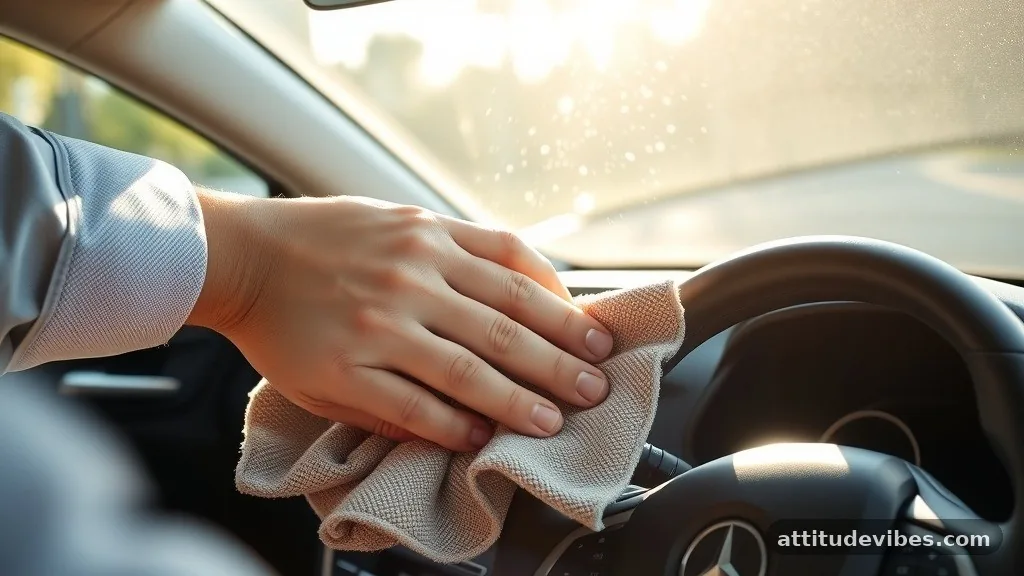
The single best way to maintain a pristine vehicle cabin is a ten-minute weekly reset. Waiting until dirt piles up turns a quick wipe into an exhausting weekend project. Start by removing all loose trash, old receipts, and stray coffee mugs from the doors and seats.
Next, grab a handheld vacuum to suck up loose debris from the floor mats and seat crevices. A quick sweep prevents abrasive sand and grit from wearing down your upholstery fibers over time. This small habit ensures your vehicle always feels ready for passengers.
Essential Tools for Quick Cleanups
Keep a small caddy in your trunk with a few dedicated items to make weekly maintenance effortless. You only need a handful of reliable tools to tackle everyday messes without stress.
- A compact cordless vacuum with a crevice attachment
- A pack of microfiber cloths for dusting sensitive screens and dash surfaces
- A bottle of gentle interior cleaner safe for leather and plastic
- A soft-bristled detailing brush to sweep dust out of air vents
Stashing these supplies within arm’s reach removes the friction of starting a cleaning session. When you spot a spill, you can deal with it immediately before it sets into a stubborn stain.
Deep Cleaning Seats, Carpets, and Floor Mats
Fabric seats and carpets trap a surprising amount of dust, pet hair, and spilled liquids over the months. When you want to deep clean your car interior, treating these high-traffic areas makes the biggest visual impact. For fabric seats, a mild upholstery shampoo combined with warm water lifts embedded grime effectively.
Leather seats demand a different approach to prevent cracking and fading. You should use a dedicated leather cleaner followed by a nourishing conditioner to keep the material supple. According to maintenance guidelines outlined by the Car Care Council, proper conditioning extends the lifespan of automotive leather significantly.
Comparing Cleaning Methods for Different Surfaces
Different materials inside your vehicle require specific care to avoid accidental damage. The table below outlines the best approach for each major surface type.
| Surface Material | Recommended Cleaner | Key Caution |
|---|---|---|
| Leather Seats | pH-balanced leather cleaner | Avoid harsh chemical solvents |
| Fabric Upholstery | Foaming carpet shampoo | Do not saturate the foam underneath |
| Plastic Dashboards | Mild dish soap and water solution | Skip silicone-heavy shiny sprays |
| Glass Windows | Ammonia-free glass cleaner | Safe for tinted window films |
Taking care with your choice of cleaning agents protects delicate interior components from discoloration. Always test a new product on a hidden patch of material before wiping down the entire dashboard.
Eliminating Persistent Odors Naturally
Masking a bad smell with synthetic spray usually fails because it only covers up the underlying source. To permanently neutralize funky odors, you need to target the bacteria and trapped moisture causing them. Baking soda works wonders for pulling lingering smells out of fabric floor mats overnight.
Activated charcoal bags placed under the front seats absorb moisture and airborne pollutants continuously. If your air conditioning vents smell musty when you turn on the fan, the cabin air filter likely needs a quick replacement. Swapping that filter out once a year keeps your ventilation blowing fresh air.
Frequently Asked Questions
What is the fastest way to get rid of a bad smell in a car?
Locate and throw away the source of the odor, such as old food wrappers or damp gym clothes. Sprinkle baking soda over the affected seats or carpets, let it sit for a few hours, and vacuum it up thoroughly.
Can I use dish soap to clean my car interior?
A mild dish soap mixed with warm water works well for cutting grease on vinyl or hard plastic surfaces. Never use dish soap on leather because it strips away natural oils and leads to cracking.
How often should I clean my car interior?
Do a quick five-minute tidy and trash removal every week, and schedule a deeper cleaning session every three to four months. Regular upkeep prevents dirt from becoming permanently embedded in your upholstery.
What is the 30-60-90 rule for cars?
While often associated with mechanical service intervals like fluid changes and belt inspections, keeping a consistent routine for interior maintenance follows a similar structured mindset.
Enjoying a Fresher Drive Every Day
Maintaining a clean cabin doesn’t require endless hours of scrubbing or expensive equipment. By sticking to a simple weekly reset and tackling spills the moment they happen, you can enjoy a spotless ride effortlessly.
A well-maintained interior not only looks great but also makes every trip far more comfortable. Start with just one small habit today, and see how easy keeping your car interior clean and fresh really is.